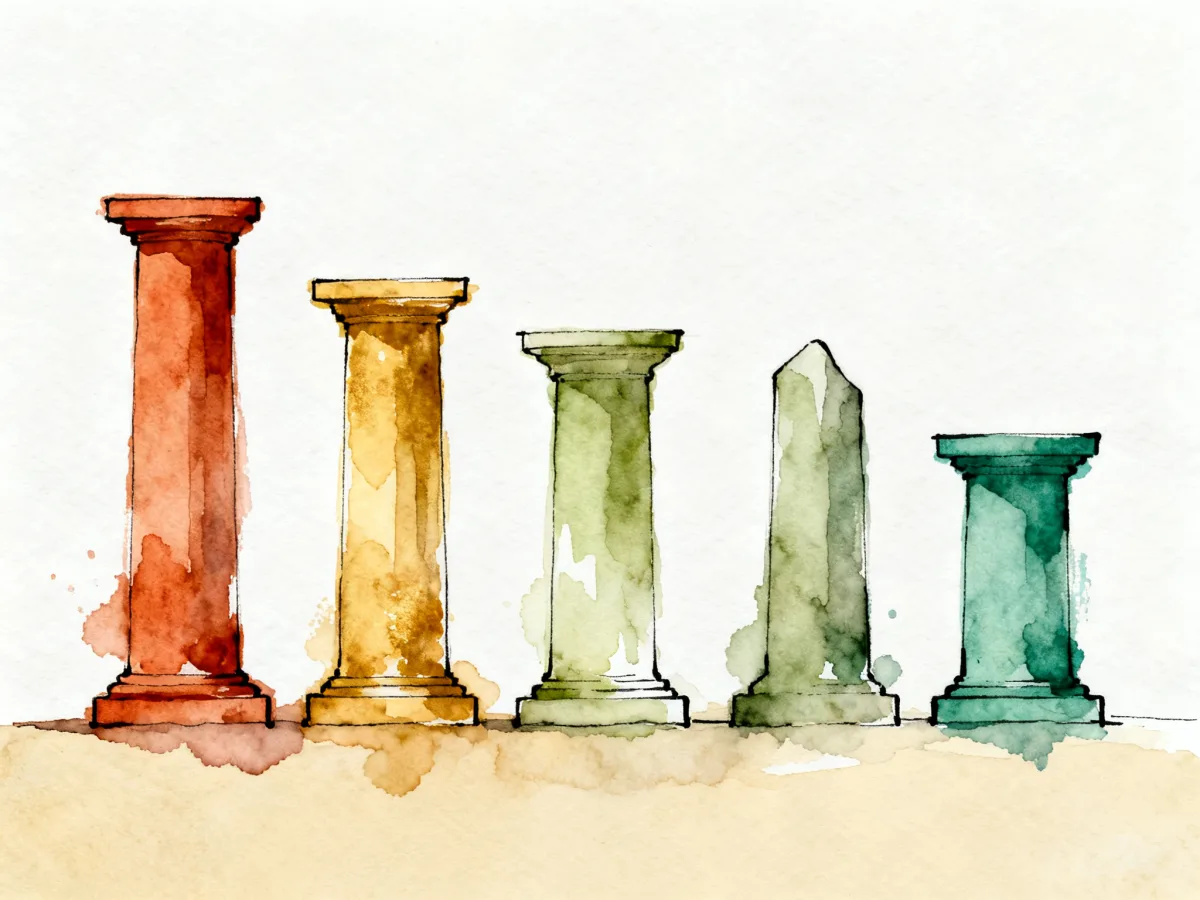
The Five Ds
Building the tools that help you work used to be the hard, expensive part. Now it's trivial. I describe what I want and it gets built, and the thing that would have taken weeks a couple of years ago takes an afternoon.
So more tools get made this year than ever, by a long way. When the cost of building drops to almost nothing, everyone builds, and the build itself stops setting you apart, because the person next to you can build the same thing by Friday.
That got me thinking about what does still matter. I landed on five things. They all start with D, which is either a framework or a sign I've spent too long making slides.
Decision: should this exist?
The first question, and the cheapest one to skip. When building is free, the temptation is to build everything, because you can. Most of it shouldn't exist. The skill now is saying no to the nine ideas so you can build the one that earns it. The question used to be whether you could make it. Now it's whether you should.
Design: how is it built?
I don't mean the code, the machine writes that now. I mean the hundred small judgments underneath it: how the thing flows, what to leave out, what "good" actually feels like when someone uses it. AI builds whichever version you ask for. It won't tell you which one is right. That call is still yours, and it's where the craft went.
Differentiation: why yours?
When anyone can build the same tool in an afternoon, "it works" stops being a selling point, because everyone's works. The question your customer is silently asking is why they should care about yours and not the other forty that do the same job. It comes down to your angle, your point of view, the specific reason it's yours and not generic. Sameness is the default setting now, so standing out takes real work.
Distribution: how do they find you?
The best tool nobody's heard of loses to the average tool everyone has. For years the effort went into making the thing, and being good at making things was enough on its own. Now the making is quick, and the effort moves to being found. It's being known, being in the conversation, being the name someone remembers when they hit the problem you solve.
Discernment: the thread through all of it
Call it taste if you want the plain word. The four above are a chain that runs from idea to audience, and the thing that makes each link strong is the same skill, knowing the right call to make at that step. Discernment is the layer under all of them. It's also the bit AI isn't great at, which is why two people with the exact same tools end up with completely different results.
The tools got handed to everyone at once. What you do with them is still yours.